
No matter how careful you are, carpet stains seem to find their way into every home. A knocked-over mug, muddy shoes, a pet accident, or a child’s surprise “art project” — carpets deal with a lot. The good news? Almost every stain can be removed when you understand what caused it and how the carpet fibers respond to cleaning.
This comprehensive guide walks you through the best way to remove stains from carpet — whether they’re fresh, dried, stubborn, or something you’d rather not identify.
Understanding Carpet Stains
All stains fall into one of two categories:
Water-soluble stains such as coffee, juice, mud, tea, milk, washable ink, soft drinks, and some foods.
These typically respond well to water-based cleaners.
Non–water-soluble stains including oils, grease, wax, gum, makeup, glue, paint, and heavy soil.
These need solvents, cold methods or special spot treatments.
Knowing which one you’re facing prevents you from accidentally spreading the stain or locking it deeper into the fibers.
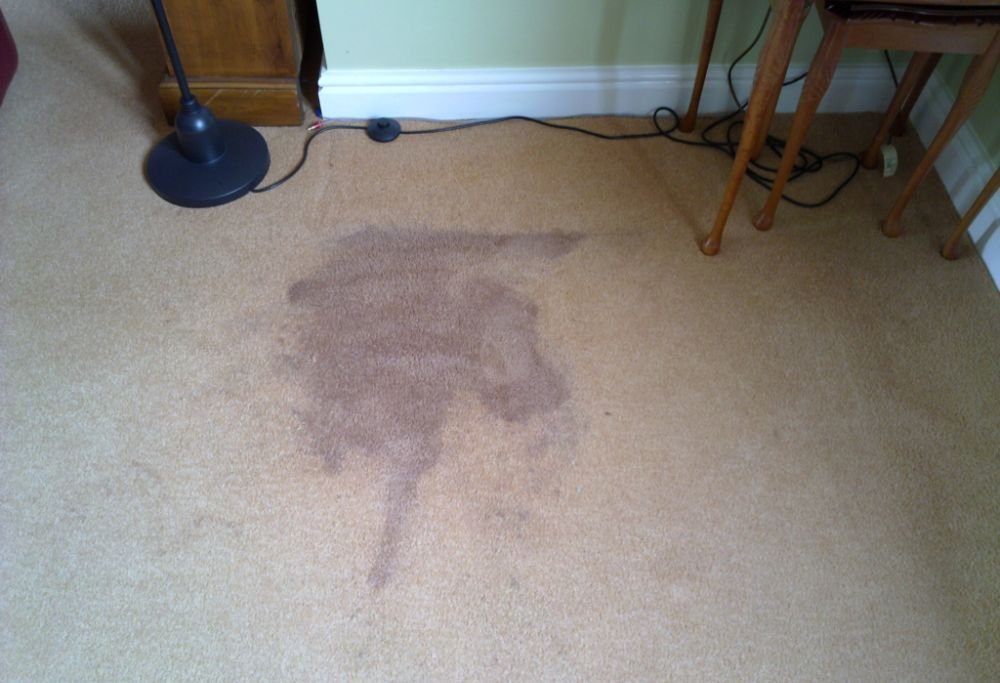
The Basics: What to Do First With Any Carpet Stain
Before you dive into specific techniques, there are a few universal rules:
1. Blot, don’t scrub.
Rubbing forces the stain deeper and can damage the pile. Blot gently with a clean cloth, always working from the outside inward.
2. Remove excess material.
Pick up solids with a spoon or dull knife. Absorb liquids with clean towels as soon as possible.
3. Avoid soaking the carpet.
Too much moisture can lead to odors, mold, or discoloration.
4. Test cleaners first.
Always test spot treatments in an inconspicuous area.
Once these steps are done, you can move on to targeted cleaning.
How to Remove Common Carpet Stains
Coffee and Tea Stains
Coffee stains can quickly set because of the natural dyes in the drink. Act quickly for the best results.
- Blot away as much liquid as possible.
- Prepare a cleaning solution suitable for your carpet type.
- For wool: a mild detergent mixed with warm water, or a small amount of lemon juice with dish soap.
- For synthetic carpet: a tablespoon of ammonia in a cup of water often works very well.
- For wool: a mild detergent mixed with warm water, or a small amount of lemon juice with dish soap.
- Dab the solution onto the stain and gently work it through the fibers.
- Blot thoroughly with a dry cloth and repeat if needed.
Red Wine Stains
Red wine has a dramatic reputation, but it’s treatable when handled promptly.
Start by blotting, then try one of these methods:
- White wine can neutralize the dark pigment and make the stain easier to remove.
- Salt absorbs liquid from carpet fibers and helps lift the red color.
- Soda water works because of its carbonation and mineral content.
After pretreating, finish the job with your preferred cleaning solution and blot until the area is clean.
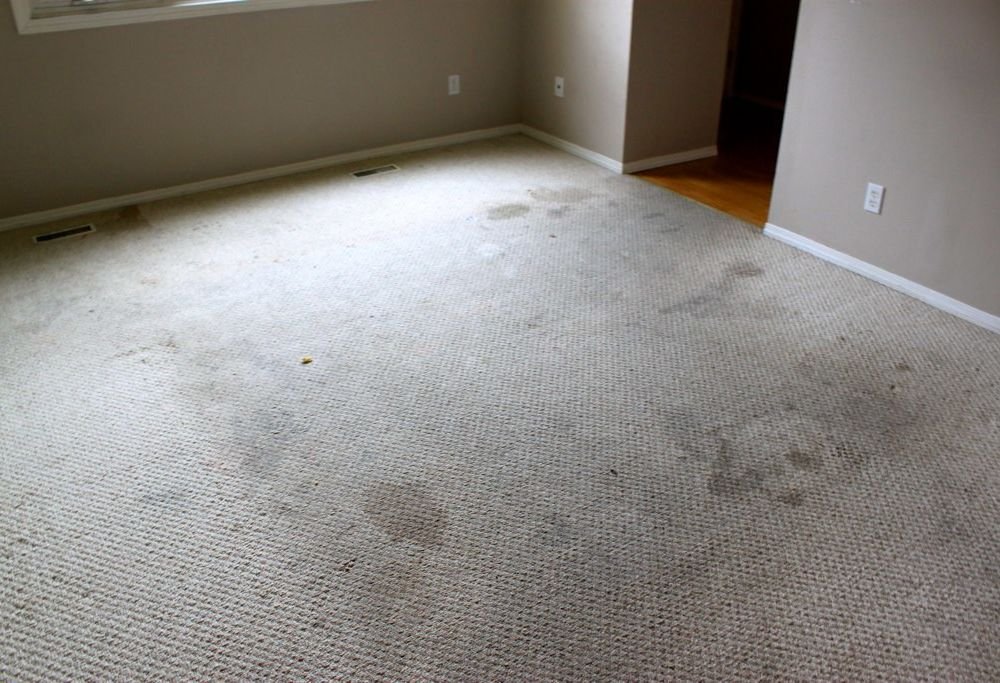
Mud and Dirt Stains
Mud is one of the few stains where patience pays off.
- Allow the mud to dry completely — this prevents spreading.
- Once dry, break it up using your fingers or a soft brush.
- Vacuum slowly in multiple directions to remove loose soil.
- If a stain remains, use a detergent-and-water mixture and dab gently until the discoloration fades.
Dry dirt follows the same process, minus the drying step.
Blood Stains
Fresh or dried, blood can be stubborn. Avoid hot water — it can set the stain.
For fresh blood:
- Blot with a cold, damp cloth.
- Use a mix of detergent and cool water, dabbing until the stain lifts.
For dried blood:
- Loosen the residue with a brush.
- Apply a mixture of vinegar or ammonia with water (but avoid ammonia on wool).
- Give it a few minutes to work, then carefully blot and rinse with clean water.
Vomit Stains
Unpleasant, but treatable — and speed matters.
- Scoop up solids carefully.
- Blot remaining moisture.
- Apply a mild detergent solution, or use vinegar or lemon juice for odor control.
- Blot thoroughly until clean.
- If odor lingers, a light sprinkle of baking soda once dry can help.
Pet Urine and Waste
Pet stains require both cleaning and odor neutralizing.
- Blot away all moisture.
- Spray the area with a 50/50 vinegar-and-water solution.
- Apply a mild detergent solution and dab gently.
- Allow to dry, then apply baking soda if needed to eliminate odors.
Enzyme cleaners can also be useful for breaking down organic residues.
Oil, Grease, and Fat
These stains don’t respond to water and need a different approach.
- Scrape away any solid residue.
- Sprinkle baking soda over the area and allow it to sit.
- Use a towel and low heat from an iron to help the baking soda absorb oily residue.
- Dab with detergent solution and blot dry.
Tough cases may require repeating the steps.
Wax and Gum
Cold temperatures are your friend here.
- Press ice cubes against the wax or gum until solid.
- Break or peel it away in pieces.
- Vacuum any residue.
- If needed, use a warm iron and brown paper to lift remaining wax.
Glue
For most glues, rubbing alcohol softens the residue so it can be blotted away. Apply with a cotton ball and repeat as needed.
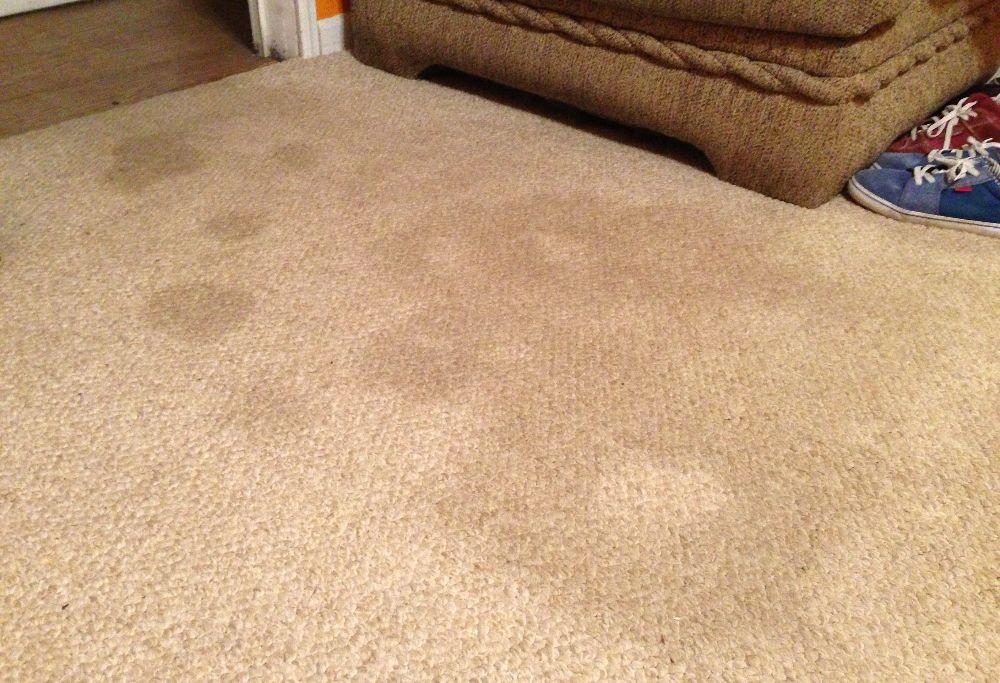
Dealing With Old or Mystery Stains
When you don’t know what the stain is — or how long it’s been there — start with a gentle method.
A reliable all-purpose method:
- Create a paste of baking soda and white vinegar.
- Apply to the stain and let it sit overnight.
- Vacuum the dried residue.
- Use a mild detergent-and-water mixture to finish cleaning.
Repeat if necessary.
How to Keep Stains From Becoming Permanent
Prevention is easier than stain removal. Here are simple habits that make a big difference:
- Keep mats at all entrances, inside and out.
- Remove shoes indoors if possible.
- Wipe pets’ paws after walks.
- Vacuum high-traffic areas regularly.
- Schedule deep cleaning every 12–18 months.
- Treat small spills immediately — even clear liquids can attract dirt and become stains.
When to Call a Professional
If a stain keeps reappearing, smells bad, or seems to be “locked in,” the carpet pad may be affected. Deep professional cleaning or hot-water extraction is usually the most effective solution in these cases.
Final Thoughts
Even though stains are inevitable, they don’t have to be permanent. Whether it’s red wine, mud tracked in after a rainy day, or a pet’s accident, there is always a method that can lift the stain and restore your carpet.
With the right approach — and the right cleaner — you can keep your carpet fresh, clean, and looking new for years.


